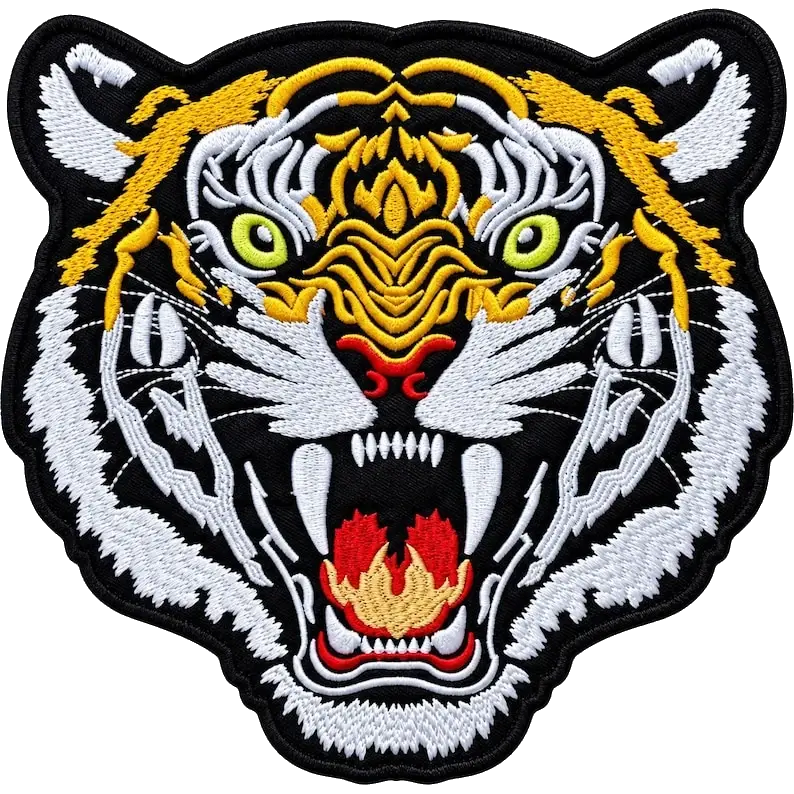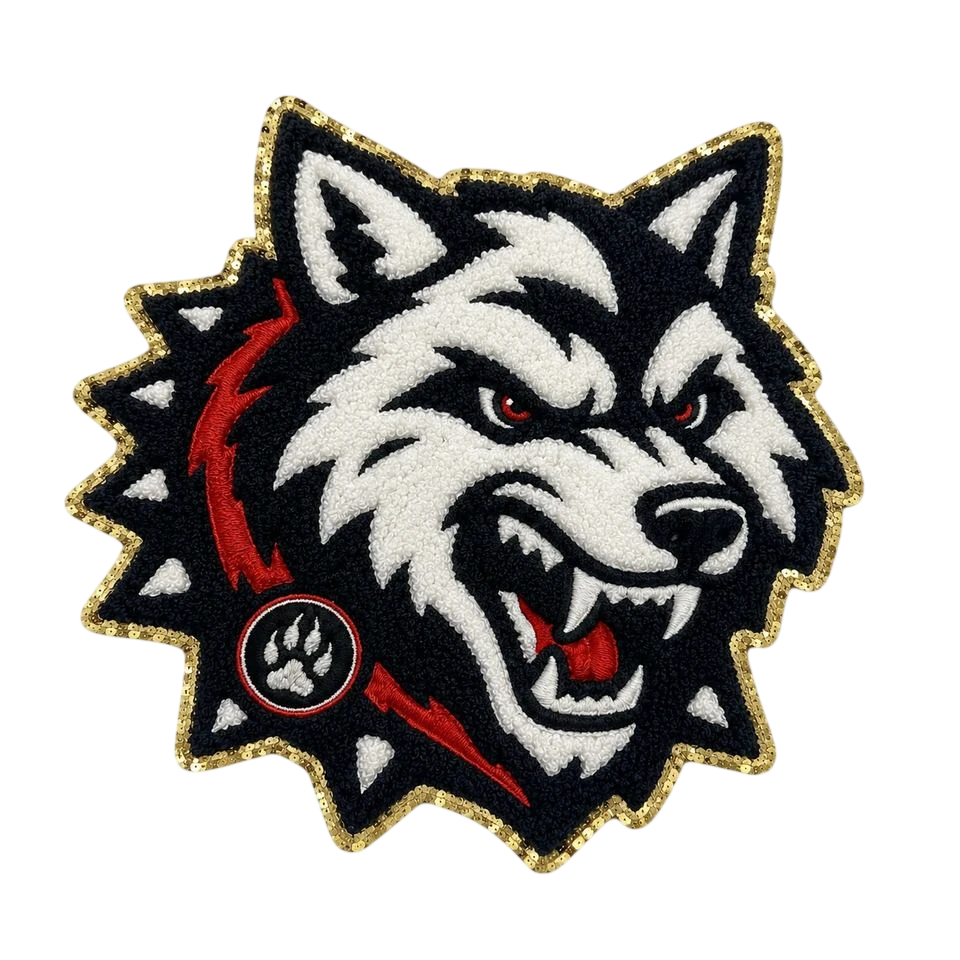
After
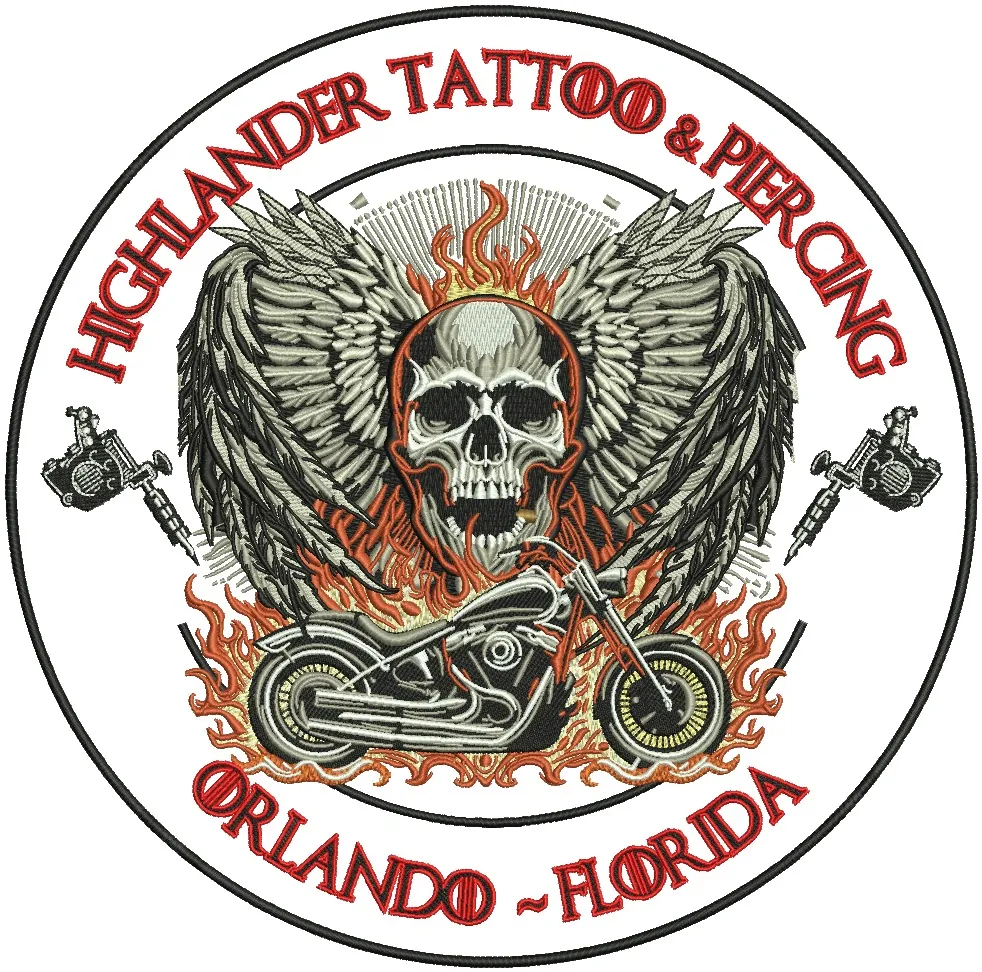
Before

US-based team · Any machine format · Proof before delivery · You keep the file · No minimum
Our embroidery digitizing services turn logos, badges, lettering, and hand sketches into machine-ready embroidery files in DST, PES, EXP, JEF, and every other common format. Each file is built by hand for your fabric, your finished size, and your machine, then checked before it reaches you. Quote first, work second.
Embroidery design digitizing comes down to four decisions, made for every shape in your artwork: stitch type, stitch direction, underlay, and pull compensation.
Auto-digitizing software guesses at all four. It traces the outline, applies a default, and has no information about your fabric, your finished size, or the tension your machine puts on the garment. That is why an auto-converted file often looks right on screen and fails in a thread.
Need vector artwork for printing rather than a stitch file? That is handled by our vector creation service.
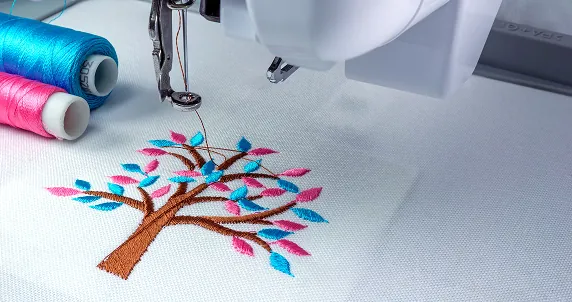
Artwork tells you what a logo looks like. A stitch file tells a machine how to build it out of thread, and those are different problems.
Stitch type: Satin, fill, or run. Satin columns over about 10mm can loosen and snag.
Stitch direction: The angle each block runs. Neighboring columns at the same angle can blur into one shape.
Underlay: The foundation is stitched first. Without it, top stitches sink into the fabric and lose definition.
Pull compensation: Built-in width allowance. Without it, circles come off the machine as ovals and gaps open at edges.
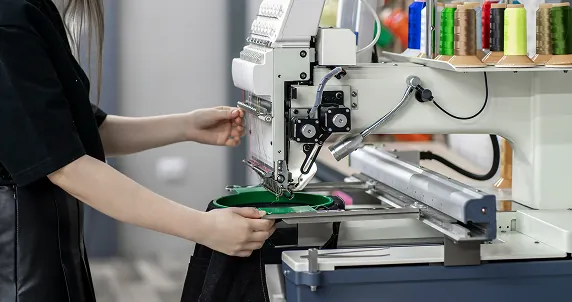
The same logo needs a different file for every place it lands. Left chest work, caps, jacket backs, 3D puff, applique, towels, fleece, pile fabric, and patch artwork each require a different build.
Detail that survives at 12 inches is different from detail at 3 inches, which is why the same artwork at two sizes is two files. Send your finished size, garment or material, and machine format so we can build the file around your production requirements.
Revisions are included until the file sews the way you approved it. The finished file is yours: reuse it, hand it to another shop, load it on a second machine, or archive it for five years and pull it out again. There is no ongoing fee.
 80
+
Pro Patch Designers On Deck
 9999
+
Custom Patches Delivered Nationwide
 99
%
Customer Satisfaction Rate
 813
+
Orders Being Crafted Right Now
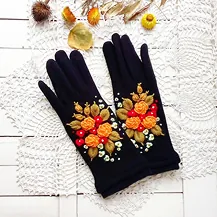 Left Chest and Small Logos
Standard size runs 3 to 3.5 inches wide, usually 6,000 to 10,000 stitches. Satin density sits around 0.4mm on cotton, with pull compensation near 0.2mm on woven fabric and higher on knits. Lettering below roughly a quarter inch of cap height moves to run stitch.
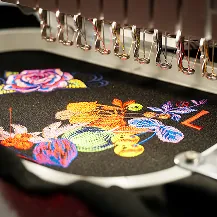 Caps and Structured Headwear
Cap files sew bottom up and center out, with pull compensation up to around 0.4mm and a safe design height of 2.25 to 2.5 inches. Heavy fill underlay is avoided on buckram.
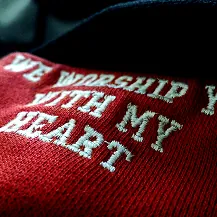 Jacket Backs and Large Designs
Jacket backs typically run 15,000 to 50,000 stitches. Sequencing is planned around travel and registration, because detail that survives at 12 inches is different from detail at 3 inches.
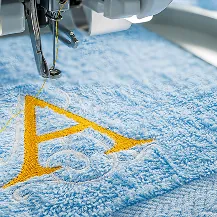 3D Puff and Foam
Foam work uses satin columns wider than flat satin, tighter spacing, and programmed cut points at the end of every column. Letters stay under 5 inches; a flat file will not run on foam.
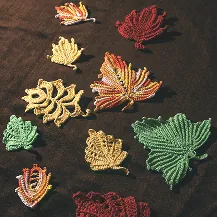 Applique Artwork and Patches
Applique uses placement stitch, tack-down, then cover stitch, with a stop for trimming between stages. Each fabric layer needs its own allowance.
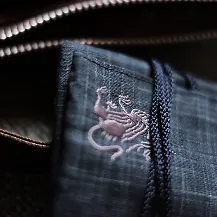 Towels, Fleece, and Pile Fabric
Pile pushes through stitching and eats detail. A knockdown layer flattens the nap so the design sits on the surface and stays clear after washing.
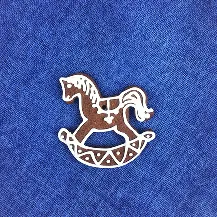 Patch Artwork on Twill
Twill holds finer detail than a polo. Borders are digitized as finished edges, and fill and border tension are balanced so the patch lies flat.
 Embroidery Shops and Decorators
Outsource overflow or the placements you would rather not build in-house with a production-ready file.
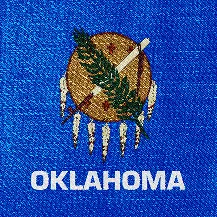 Apparel Brands and Uniform Suppliers
Build one logo correctly across polos, caps, jackets, bags, and other apparel.
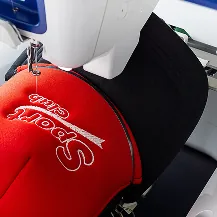 Promotional Products Distributors
Get logo digitizing on a deadline without owning the software or taking on the learning curve.
Your stitch file in the machine format you specify, a color sequence sheet, a stitch count and run time, fabric and stabilizer notes, and revisions until the file sews the way you approved.
Formats include DST, PES, EXP, JEF, VP3, XXX, HUS, SEW, and EMB as an editable Wilcom working file. DST stores stops rather than thread colors, so the sequence sheet travels with it.
Contact the team at info@theamericanpatch.com or +1 (571) 899-4747 Toll Free: (888) 844-8411 for your free quote.


Underlay matched to fabric weight and compensation set per material.
Overlap and compensation adjusted for the specific fabric.
Text is resized or rebuilt as run stitch when the satin column is too narrow.
Density is held near 0.4mm with short-stitch cleanup.
Sequence is planned to minimize travel and trims.
Bottom-up, center-out pathing with seam compensation.
Stabilizer notes are supplied with the file.
JPG, PNG, PDF, AI, EPS, a scan, or a phone photo works. Tell us the finished size, garment or material, and machine format so we can provide a stitch-count estimate and price before build time.
A digitizer sets stitch types, sequence, underlay, and compensation for your fabric. Changes go back into the queue until the file matches what you approved.
Your machine format, a color sequence sheet, stitch count and run time, fabric and stabilizer notes, and revisions until the file sews as approved.
Outsource overflow or placements you would rather not build in-house.
Build one logo correctly across polos, caps, jackets, and bags.
Get logo digitizing on a deadline without owning the software or learning curve.
Keep crests, mascots, and badges consistent from year to year.
We do not sell or reproduce trademarked logos, licensed characters, sports league marks, or motorcycle club insignia you are not authorized to use.
We do not run auto-conversion and call it digitizing, and we do not charge per run, per machine, or per year for a file you have paid for.
Rush is available on request. Complex builds take longer, and we will say so at the quote. Revisions are included until the file sews as approved. The finished file is yours with no ongoing fee.
Cap embroidery sews in a different order and direction under more tension. A flat file on a cap can land off register, lean off the center seam, or run out of panel before finishing.
Small adjustments around ten percent are usually safe. Beyond that, the file should be rebuilt because density changes with the shape while thread thickness does not.
AI, EPS, or PDF is the cleanest start, but high-resolution PNG, JPG, a scan, or a phone photo also works because the design is rebuilt from scratch.
Roughly a quarter inch of letter height is practical on woven fabric. Below that we may switch to run stitch or recommend sizing up.
Usually. Send the file and tell us what happened on the machine. Many puckering issues trace back to underlay or compensation and can be corrected.
Yes. Patch files are built differently from apparel files. If we produce the patches too, digitizing can be folded into the order.
Yes. Run it on any machine, at any shop, as many times as you like. There is no per-run charge and no license to renew.
Yes. Send the file or a garment already stitched from it, and we can match the thread sequence, density, and proportion so a reorder does not look like a different logo.
It is the process of converting artwork into a stitch file an embroidery machine can read. The file sets needle penetrations, stitch types, sewing sequence, and thread changes.
Rush is available on request. Standard timing depends on the artwork and build complexity; jacket backs, appliqué, and multi-element puff typically need longer, which we confirm at quote stage.
You receive the requested machine format, a color sequence sheet, stitch count and run time, fabric and stabilizer notes, and included revisions.
Cost depends on the finished size, artwork detail, fabric, stitch count, and build complexity. Send the artwork for a custom quote before work begins.

Buy premium quality Custom American Patches in USA